


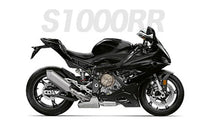


YZF1000R Thunderace fairings can help you restore the look of your Yamaha while improving how your bike deflects air.
Many riders choose replacement fairings for crash repairs, paint matching, or simply to refresh an older ride.
This guide explains common myths, shares practical fitment tips, and outlines how to plan a clean installation.
You will also learn what to check before you buy, so you avoid mismatched panels and wasted effort.
Updated on: 2026-05-18
Table of Contents
If you own a Yamaha YZF1000R Thunderace, you already know how much character this bike has. The lines, the stance, and the way the front-end feels all matter. That is why many owners look for YZF1000R Thunderace fairings when panels fade, crack, or no longer match. In this post, I will break down what is true, what is not, and how to approach fairing replacement in a way that saves time and frustration.
Myths vs. Facts
Fairing upgrades are popular, but online advice can get mixed. Here are the myths I hear most often, plus the facts that help you choose smarter.
-
Myth: Fairings are only about looks.
Fact: They shape airflow around the rider and help protect components from wind-driven debris. -
Myth: Any “similar” panel will fit.
Fact: Fitment depends on year, mounting points, and side-specific design. Small differences can cause gaps or stress. -
Myth: You must replace everything to get a good result.
Fact: Sometimes you only need one side panel, a section of the cowl, or updated trims to restore symmetry. -
Myth: Installation is always difficult.
Fact: Many riders can do it with careful labeling, basic tools, and slow test-fitting. -
Myth: Aftermarket fairings always look worse.
Fact: Quality materials, proper finishing, and accurate color matching can look clean and factory-like.
When you start planning, think beyond “will it fit.” Ask instead: “Will it align with my mounts, clear my controls, and sit at the right angles?” Those details are what make fairings look right at speed.

Airflow arrows and alignment marks around a silhouette
Personal Experience
A while back, I helped a friend get his Thunderace back on the road after a low-speed tip-over. The damage was not dramatic, but the front looked uneven. One edge was scuffed, one panel had small cracks near a mounting tab, and the overall profile no longer matched how the bike used to look. He considered patching what he had, but the next ride revealed more stress around the damaged area.
We approached the repair like a small restoration project. First, we removed the remaining panels and laid them out in order. We took photos from multiple angles and marked the mounting locations with tape. That simple step made reassembly feel calm instead of confusing. Next, we compared the old parts to the new ones by checking the mounting holes, the curve near the headlight area, and the spacing around the tank and fork area.
One detail that surprised him was how even slight misalignment changes the look. When a fairing sits a few millimeters off, gaps become visible in daylight and reflections look wrong at night. That is why careful test-fitting matters. He wanted the finished bike to look purposeful, not “mostly covered.”
During installation, we also learned to avoid forcing fasteners. If a bolt feels tight before it threads smoothly, stop and re-check alignment. Forcing can damage brackets or warp plastic, which later leads to buzzing at speed or cracked edges. We adjusted position by loosening and re-centering until everything lined up naturally.
Here is a practical checklist I still use when fitting YZF1000R Thunderace fairings or any similar replacement set:
- Check compatibility first: confirm the fairings match your motorcycle model and year range.
- Inspect mounting points: look for bent brackets, worn grommets, or missing clips.
- Test-fit before final tightening: align, then tighten gradually in a cross pattern.
- Protect painted surfaces: use soft cloths and avoid dragging panels across each other.
- Confirm clearances: verify nothing rubs near the bars, gauges, or radiator area.
That job also highlighted why riders shop with intent. Some people want a fresh aesthetic; others want a clean repair after impacts. Either goal is valid. What matters most is choosing panels that replicate the original shape and provide sensible mounting support.
Even if you are not rebuilding after damage, replacement fairings can be a satisfying way to refresh an older bike. When the front-end profile looks sharp again, the whole riding experience feels more “put together.”

Labelled panel outlines and numbered mounting points
At the end, the bike looked balanced again. More importantly, it felt stable. With fairings properly seated, wind flow seemed calmer around the front area, and the bike looked straight when viewed from the rider’s eye line. That visual confidence is a real benefit, especially for daily commutes and weekend rides.
How to choose fairings that look right
Shopping is easier when you evaluate the fairings in layers. Start with shape, then move to finish, and finally to mounting. Look for clear outlines near the headlight area, consistent curvature around the sides, and a finish that matches your desired look.
If you are rebuilding for a specific style, consider the full front profile rather than only one panel. Buyers often focus on one section, but a fairing set should blend smoothly. When panels meet, seams should stay even, and edges should align without awkward stretching.
When to seek professional help
If you find bent brackets, broken structural parts, or repeated fitment issues, it may be time to consult a qualified mechanic. A professional can help verify mounting alignment and prevent long-term stress. Getting it right early often saves money later.
If you want to explore fairings categories for related sport bike models, you can compare styles across collections. For example, you can browse a selection of Yamaha R1 fairings or explore Honda CBR1000RR fairings to see how different front-end designs handle airflow and mounting.
Final Thoughts & Takeaways
YZF1000R Thunderace fairings are not just accessories. They are part of the bike’s design system. When they fit well and sit straight, the bike looks more complete, and the ride feels more composed. Whether you are repairing crash damage, restoring a faded front, or simply upgrading your visual setup, the same principles apply: verify compatibility, take your time with alignment, and avoid forcing anything that does not seat naturally.
Here are my key takeaways to keep in mind:
- Choose fairings that match your model and year range for best fitment.
- Use photos and labeling during disassembly so reinstallation stays simple.
- Test-fit first, then tighten gradually to protect mounting points.
- Plan for clearances around controls, gauges, and the front-end components.
- Focus on the overall front profile, not only one damaged section.
If you are ready to refresh the front of your Thunderace, start by checking what you truly need: single-panel replacement, a partial set, or a full front refresh. From there, build a straightforward installation plan and move slowly. The best results come from alignment and patience, not speed.
For broader sport bike options, you can also browse Yamaha motorcycle fairings and compare materials, finishes, and styles across popular models.
Q&A
How do I confirm that YZF1000R Thunderace fairings will fit my bike?
Start with your motorcycle year and model and match that to the fairings’ stated compatibility. Then compare mounting hole positions and edge shapes against the parts you remove. If a kit includes multiple sections, check side-specific panels too. When in doubt, ask a supplier for confirmation before ordering.
Do I need special tools to install replacement fairings?
Most fairing installs use common hand tools such as screwdrivers, sockets, and basic trim removal tools. A label-and-photo process can be as important as the tools. If your mounting points are worn, you may also need replacement clips, grommets, or hardware to prevent vibration.
What is the most common mistake when fitting fairings?
The most common mistake is rushing the alignment. Panels can seem close, but a slight angle can create gaps and stress on mounting points. Test-fit, loosen and re-center as needed, and tighten in stages. Never force fasteners that do not thread smoothly.
Will replacing fairings improve comfort while riding?
Fairings can influence how airflow moves around the rider and front components. While comfort depends on your position and riding style, properly installed fairings may reduce buffeting caused by wind and turbulence. The improvement is often subtle, but it can be noticeable on longer rides.
Disclaimer
This article is for general information only. Installation difficulty, fitment results, and ride feel vary based on motorcycle condition, model year, and mounting hardware. Always follow the guidance provided by the fairings supplier and your motorcycle manufacturer. If you are not confident with mechanical work, consult a qualified professional.


New Fairings, Not Used Fairings.